Professional 5x7 Card Mockup for Designers
Presentation is often the deciding factor between a design that gets noticed and one that gets scrolled past. Whether you are an independent artist selling on Etsy, a wedding planner finalizing invitation suites, or a marketing professional pitching a new brand identity, the context in which your work is viewed matters immensely. This is where a 5x7 card mockup becomes an essential tool in your creative arsenal. It serves as a digital bridge, transforming a flat, two-dimensional file into a tangible, realistic representation of what the final product will look like in the real world.
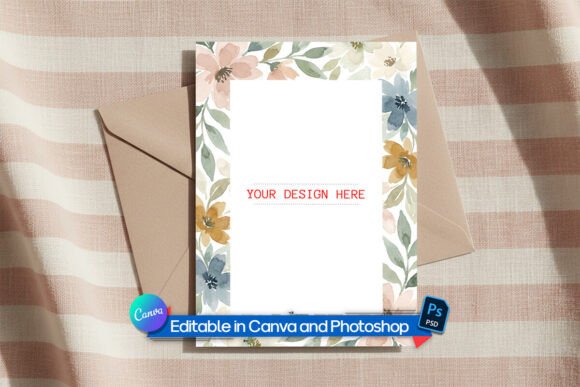
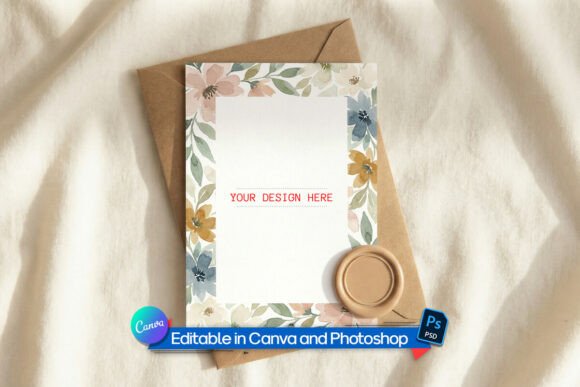
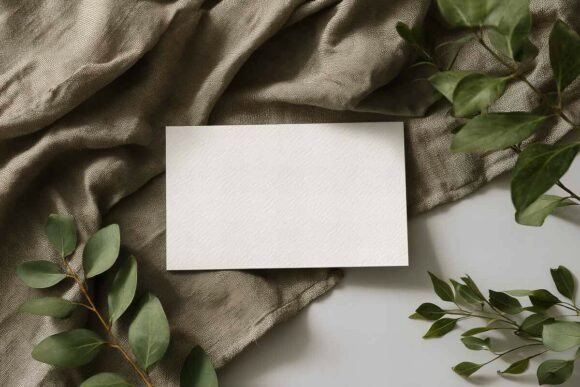
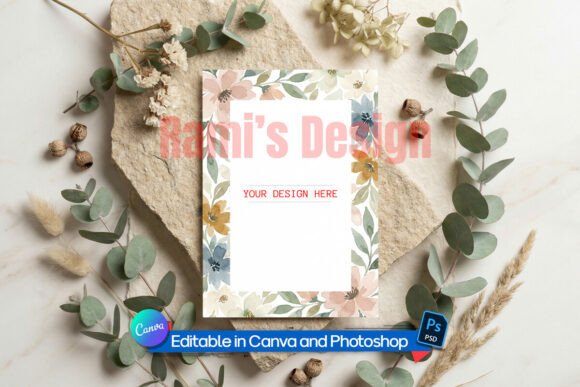
A 5x7 card mockup is essentially a high-resolution template designed to hold your artwork within a specific frame—in this case, the standard 5-inch by 7-inch dimensions. This size is ubiquitous in the printing industry, commonly used for postcards, greeting cards, art prints, and formal invitations. By utilizing a mockup, you can overlay your digital design onto a photorealistic image of a card sitting on a surface, complete with accurate lighting, shadows, and paper texture. The result is a polished visual that allows viewers to imagine holding the physical item in their hands, even when browsing online.
Why Different Creators Value Realistic Previews
The utility of a flat lay edition mockup extends far beyond simple aesthetics; it addresses specific pain points for various types of users. While the end goal—showcasing work professionally—is shared, the priorities differ significantly depending on your role and experience level.
For small business owners and Etsy sellers, speed and conversion are paramount. These entrepreneurs often manage every aspect of their shop, from creation to customer service. They need a solution that allows them to update their product listings quickly without hiring a photographer for every new design. A mockup that offers drag-and-drop functionality means they can test different colorways or seasonal variations in minutes. For them, the priority is commercial value and efficiency. A realistic image builds trust with potential buyers who cannot physically inspect the product, reducing hesitation and potentially lowering return rates.
In contrast, professional graphic designers and branding agencies focus heavily on fidelity and customization. When presenting a concept to a high-end client, the mockup must be flawless. They look for features like Smart Object functionality in Photoshop, which automatically applies perspective distortions, lighting maps, and texture overlays. To a pro, a generic-looking template can undermine the perceived value of their strategic work. They need the flexibility to adjust shadows or change the background surface to match a specific brand narrative. Their evaluation centers on quality and flexibility.
Bridging the Gap for Beginners and Hobbyists
Not everyone has access to expensive software like Adobe Photoshop, nor do they have the time to master complex layering techniques. This is where the landscape of 5x7 card mockups has evolved to become more inclusive. Many modern templates now come with Canva-compatible versions. This is a game-changer for beginners, hobbyists, and educators who may be creating materials for a classroom, a community event, or a personal project.
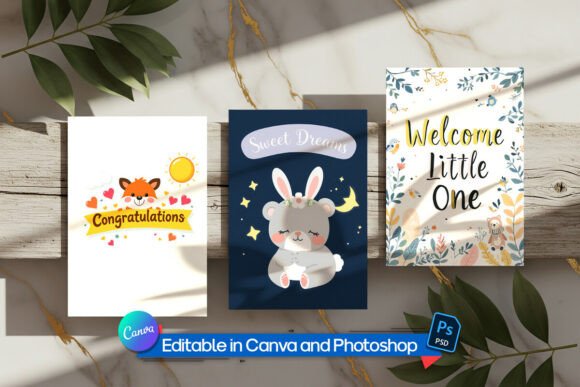
For a teacher creating reward cards or a parent designing birthday invitations, the learning curve of professional design software can be a barrier. A Canva-ready template removes this obstacle, allowing them to upload their artwork directly into a pre-framed slot. The priority here is ease of use and accessibility. It empowers non-designers to produce work that looks professionally curated, fostering confidence in their creative abilities. Similarly, students learning about print design can use these tools to visualize how their screen-based creations translate to physical media, providing immediate learning value without the cost of actual printing.
Technical Features That Drive Decision Making
When evaluating whether a specific 5x7 card mockup fits your needs, it helps to understand the technical components that drive its effectiveness. Different users will weigh these features differently based on their workflow.
- Layered PSD Files with Smart Objects: Ideal for experienced users. These files allow for non-destructive editing. You double-click the smart object layer, paste your design, save, and the mockup automatically wraps your image with the correct curvature, shadows, and grain. This ensures the highest degree of realism.
- Transparent PNG Options: Perfect for versatility. Sometimes you don't need a full scene; you just need the card with its natural shadows isolated. A high-resolution transparent PNG allows you to place the card onto any background you choose in any software, from PowerPoint to web builders. This prioritizes flexibility over a fixed scene.
- Flat Lay Aesthetic: The "flat lay" style involves shooting the subject from directly above. This is currently a dominant trend in social media and e-commerce because it provides a clean, organized look. It highlights the geometry of the 5x7 format without the distraction of complex angles. For bloggers and content creators, this aesthetic integrates seamlessly into Instagram grids and Pinterest boards.
- Paper Texture and Lighting: The difference between a good mockup and a great one often lies in the details. High-quality templates include subtle paper grain and soft, diffused lighting that mimics a studio environment. This adds a tactile quality to the digital image, crucial for photographers and artists selling prints who need to convey the quality of their substrate.
Matching the Tool to Your Project Goals
Deciding to use a 5x7 card mockup should be a strategic choice aligned with your current objectives. If you are in the early stages of brainstorming, a simple wireframe might suffice. However, once you move toward presentation, sales, or portfolio building, the stakes rise.
Consider an event designer planning a corporate gala. They are not just selling an invitation; they are selling an experience. Using a realistic mockup allows them to show the client exactly how the gold foil stamping will catch the light or how the thick cardstock will cast a shadow on the table. Here, the mockup acts as a sales tool that justifies a higher price point through visual proof of quality.
On the other hand, a freelance illustrator building an online portfolio needs consistency. By using the same 5x7 flat lay mockup for all their art prints, they create a cohesive gallery view. This uniformity helps potential collectors focus on the art itself rather than being distracted by inconsistent photo backgrounds. For them, the mockup provides long-term usefulness as a branding asset.
Ultimately, the right mockup saves time, enhances perception, and clarifies communication. Whether you prioritize the deep customization of a Photoshop file or the instant accessibility of a Canva template, the goal remains the same: to present your ideas with clarity and professionalism. By understanding your own workflow constraints and audience expectations, you can select a 5x7 card mockup that not only displays your work but elevates it.