Elevate Your Visual Brand with a Professional Blank 5x7 Card Mockup
In the crowded digital marketplace, the difference between a scroll-past and a sale often comes down to presentation. You might have spent hours perfecting an illustration, refining a wedding invitation suite, or crafting a branding concept, but if the final image looks flat or amateurish, your audience won't see its true value. This is where a Blank 5x7 Card Mockup becomes an indispensable tool for creatives. It isn't just a placeholder; it is a bridge between your digital file and the tangible reality your customers imagine holding in their hands.
The 5×7 inch format is the gold standard for postcards, art prints, greeting cards, and event invitations. Because it is so ubiquitous, presenting it realistically is crucial. A high-quality mockup allows you to showcase your work in a clean, modern, and realistic flat lay setting without needing a photography studio, professional lighting equipment, or even a physical print of the design yet.
Why the Flat Lay Aesthetic Matters for Modern Brands
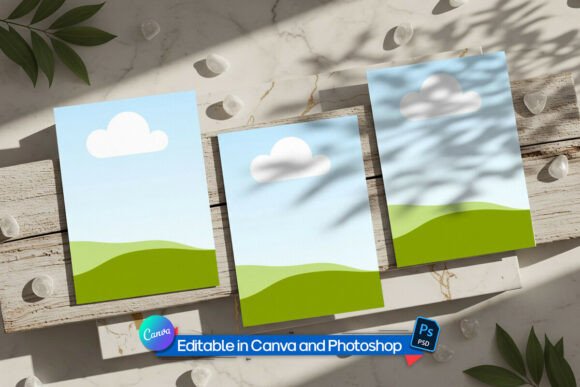
The "flat lay" style—where items are arranged on a flat surface and photographed from directly above—has become the visual language of Instagram, Pinterest, and modern e-commerce. It suggests organization, clarity, and intentionality. When you use a Professional 5×7 Card Mockup – Flat Lay Edition, you are tapping into this aesthetic instantly.
Real-world paper texture, subtle shadows, and soft overhead lighting do more than just make an image look pretty; they build trust. When a potential customer sees a design resting on a textured surface with natural shadows, their brain registers it as a physical object. This psychological shift is vital for online sellers who cannot offer a "try before you buy" experience. The mockup fills that sensory gap, allowing the viewer to almost feel the weight of the cardstock and the crispness of the print.
Real-World Scenarios: Who Benefits Most?
While any designer can benefit from better presentation tools, specific industries and creators find unique value in the versatility of a 5×7 template.
1. Etsy Sellers and Stationery Brands
For small business owners selling handmade goods or digital downloads, time is money. Photographing every new design variation is impractical. Imagine launching a new line of holiday greeting cards. Instead of printing fifty samples to photograph them in different lighting conditions, you can use a layered PSD file with Smart Object functionality. You simply drag and drop your design, and the perspective, lighting, and paper texture are applied automatically. This consistency helps build a cohesive brand identity across your shop, making your storefront look established and professional rather than disjointed.
2. Wedding and Event Designers
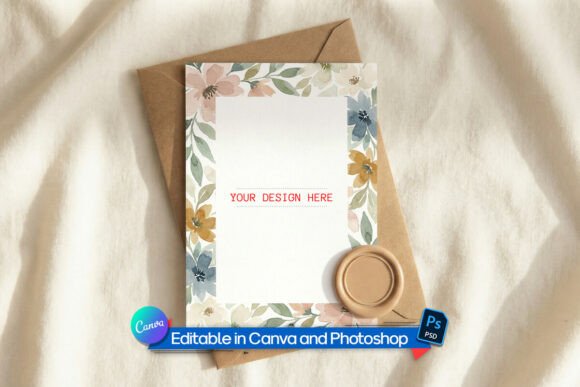
Couples planning weddings are highly visual decision-makers. They aren't just buying an invitation; they are buying the "vibe" of their big day. An event designer can use a blank 5×7 mockup to present custom invitation concepts to clients before a single sheet of expensive paper is cut. By placing the design in a realistic setting—perhaps alongside a sprig of dried lavender or a wax seal (often included in advanced flat lay scenes)—you help the client visualize the final product. This reduces revision rounds and speeds up approval times because the client can see exactly how the typography and colors interact with the paper grain.
3. Illustrators and Fine Artists
If you sell art prints, context is everything. A raw digital file of an illustration can feel cold. Placing that same illustration inside a 5×7 mockup on a wooden desk or a marble countertop gives it scale and life. It shows collectors how the piece might look framed on their wall or displayed on their shelf. For artists building a portfolio, these mockups serve as excellent case studies, demonstrating not just artistic skill, but also an understanding of how that art translates to commercial products.
4. Corporate Branding and Marketing Teams
Even in the corporate world, the 5×7 size is relevant for direct mail campaigns, thank-you notes to stakeholders, or conference handouts. Marketing teams often need to pitch concepts to executives who may not understand design software. A realistic mockup acts as a universal translator. It turns a abstract layout into a concrete deliverable, making it easier to secure budget approval or sign-off on a creative direction.
Flexibility Across Different Skill Levels
One of the greatest strengths of modern mockup resources is their accessibility. You don't need to be a Photoshop wizard to achieve professional results.
- For the Power User: The inclusion of a layered PSD file offers total control. You can adjust levels, tweak shadows, or modify the background elements to match specific brand guidelines. The Smart Object feature ensures that your design warps perfectly to match the angle of the card, maintaining realism even if the card is slightly tilted.
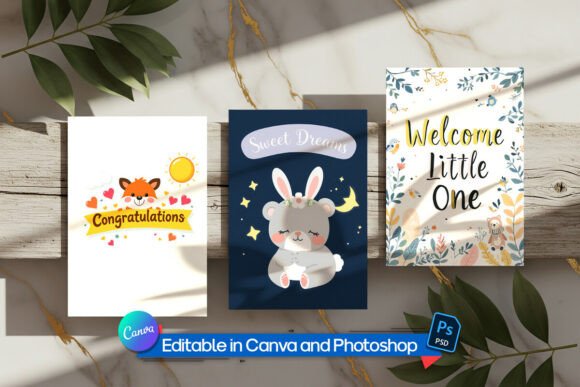
- For the Non-Designer: Not everyone has access to Adobe Creative Cloud. A Canva-compatible version changes the game for entrepreneurs and social media managers. You can upload your artwork and place it directly into the frame with ease, utilizing Canva's intuitive interface to add text overlays or create social media graphics around the mockup.
- For Quick Edits: Sometimes you just need a clean image fast. The inclusion of a high-resolution transparent PNG file is a lifesaver here. With natural shadows and soft lighting already baked in, you can drop this into PowerPoint, Google Slides, or any basic editor, and it will look polished immediately.
Key Considerations Before Choosing Your Mockup
While the benefits are clear, selecting the right Blank 5x7 Card Mockup requires a bit of forethought to ensure it serves your specific needs.
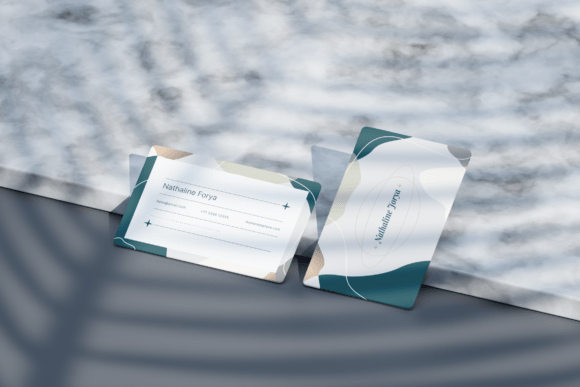
Lighting Consistency: Pay attention to the lighting direction in the mockup. If your original design has strong directional shadows (e.g., a photo of a person lit from the left), placing it in a mockup lit from the right can look jarring and fake. Look for mockups with soft, diffused overhead lighting, as this tends to be the most forgiving and versatile for various design types.
Paper Texture vs. Clean Finish: Decide what story you want to tell. A heavy, textured paper mockup implies luxury, artisanal quality, and tactile richness—perfect for wedding invites or fine art. Conversely, a smooth, glossy finish suggests modernity and vibrancy, which might be better suited for tech brochures or vibrant marketing postcards. Ensure the mockup you choose matches the physical material you intend to print on.
Resolution Matters: Never compromise on resolution. A pixelated mockup undermines the professionalism of the design inside it. Always opt for high-resolution files that allow you to crop or zoom without losing detail, especially if you are creating assets for high-DPI displays or print catalogs.
Turning Concepts into Conversions
Ultimately, a mockup is a sales tool. It allows you to test ideas rapidly. You can try five different color variations of a postcard in the time it takes to print one. You can see how a bold font looks against a kraft paper texture versus a bright white stock. This iterative process leads to better final products.
Furthermore, in the age of social commerce, your feed is your storefront. A cohesive grid of images featuring your work in beautiful, realistic 5×7 settings creates a desirable lifestyle aesthetic around your brand. It invites the viewer to imagine your product as part of their own life. Whether you are an independent artist on Etsy, a busy wedding planner, or a marketing director, leveraging a Professional 5×7 Card Mockup is a low-effort, high-reward strategy to elevate your visual communication and connect more deeply with your audience.