Mastering Your Brand Presentation with a Professional Business Card 3D Mockup
In the competitive landscape of modern branding, first impressions are often digital before they ever become physical. Whether you are a freelancer pitching to a new client, a startup founder seeking investment, or an established agency showcasing your latest rebrand, the way you present your identity matters immensely. This is where a Business Card 3D Mockup becomes an indispensable tool. It transforms a flat, two-dimensional design file into a tangible, realistic representation that stakeholders can visualize in the real world. However, simply downloading any template and dragging your logo onto it is not enough. Many creators overlook critical details regarding resolution, lighting, and context, which can inadvertently undermine the professional image they are trying to project.
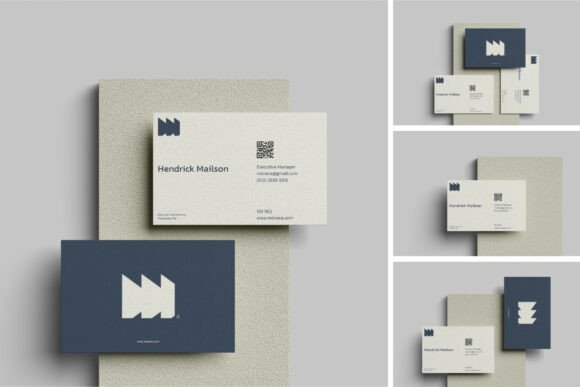
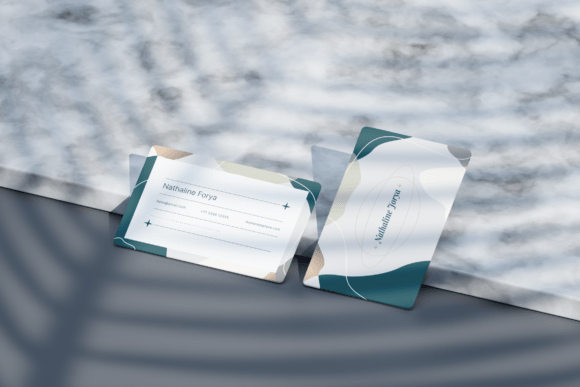
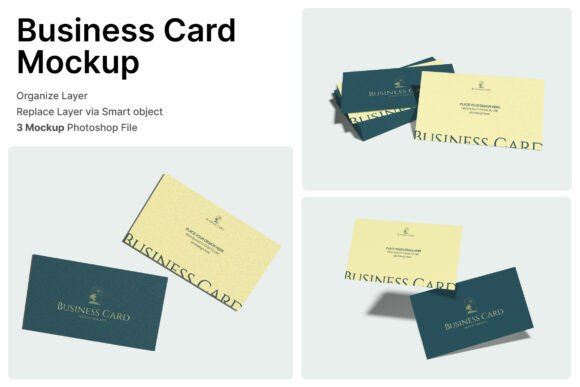
A high-quality mockup does more than just display a design; it sells a feeling. The realistic card perspectives, stacked arrangements, and floating presentation views found in premium templates instantly showcase a clean and premium business branding appearance. These elements are crucial for agencies, offices, and professional companies because they bridge the gap between concept and reality. When a client sees their potential business card resting on a textured desk or floating elegantly in mid-air with perfect shadows, they connect emotionally with the brand. Yet, a common mistake many beginners make is prioritizing style over substance. They might choose a dramatic angle that obscures the typography or a background texture that clashes with the brand colors, resulting in a presentation that looks busy rather than brilliant.
The Pitfalls of Low-Resolution Presentations
One of the most frequent errors in using these tools is ignoring technical specifications until it is too late. You might spend hours perfecting your layout in Illustrator or Photoshop, only to place it into a mockup that renders your crisp vectors as pixelated blobs. This usually happens when the source file lacks sufficient resolution. For professional print and high-end digital presentations, you need clarity. A subpar mockup can make even the most expensive branding project look amateurish. To avoid this, always verify the dimensions and DPI (dots per inch) of the template before you begin working.
Ideally, you should be looking for files that offer High Resolution 4000 x 3000 pixel size at 300 dpi. This ensures that whether you are displaying the image on a retina screen or printing it in a portfolio, every edge remains sharp. When evaluating a Business Card 3D Mockup, check the preview images closely. Zoom in. Do the text edges look soft? Are the shadows natural, or do they look like a dark blur pasted underneath? These details dictate the perceived quality of your work. Remember, the mockup is the frame for your art; if the frame is cheap, the art loses value.
Misunderstanding Smart Objects and Workflow Efficiency
Another area where users often stumble is the workflow itself. Time is money, especially for freelancers and small business owners who manage multiple projects. Some designers download complex mockup packs that require tedious manual adjustments for every single change. This inefficiency can lead to frustration and rushed deadlines. The solution lies in utilizing templates built with Smart Object layers. This feature is a game-changer for productivity. With a properly constructed file, you simply double-click the layer, place your design, save, and watch the magic happen automatically.
Without smart objects, you are forced to manually warp, shade, and blend your designs to match the perspective of the card, a process prone to human error and inconsistency. A professional mockup handles the heavy lifting of lighting, curvature, and texture mapping for you. Before committing to a download, review the included documentation. A good package will include a Help Guide File or a PDF instruction manual. If the creator hasn't taken the time to explain how to use their product, it often indicates a lack of attention to detail in the file structure itself. Look for packages that explicitly mention ease of use, such as "simply double click layer, place design, and save," to ensure your workflow remains smooth.
Choosing the Right Context for Your Brand
Selecting the wrong environment for your mockup is a subtle but powerful mistake. A tech startup might look out of place with a business card resting on an antique wooden table with warm, sepia lighting, just as a luxury law firm might seem mismatched against a vibrant, graffiti-style urban background. The context tells a story. When you browse through options, consider the narrative you want to tell. Are you aiming for corporate stability, creative disruption, or minimalist elegance?
Variety is key here. A robust collection should offer different scenarios. For instance, having access to 3 PSD Files within a single pack allows you to present your brand from multiple angles without buying three separate products. You might use one file for a direct, head-on shot to show legibility, another for a stacked arrangement to imply volume and presence, and a third for a floating view to suggest innovation and lightness. By having these options, you can tailor your presentation to the specific platform you are using, whether it is a formal proposal PDF, an Instagram post, or a website header.
What to Check Before You Download or Buy
To ensure you are making a wise investment for your branding projects, there is a checklist you should run through before finalizing your choice. First, confirm the file format. While most professionals work in Adobe Photoshop, ensuring the layers are organized and labeled correctly saves hours of hunting for the right folder. Second, be aware of what is included. It is standard practice that All Image stock inside are not included in the final render if they are part of the background scene, but the mockup itself should be fully editable. You are buying the vessel, not necessarily the props, though the props should enhance your design.
Additionally, consider the versatility of the lighting. Can you adjust the shadow intensity? Is the background on a separate layer so you can swap it for your brand color? These small customizations allow you to maintain brand consistency across all your marketing materials. Avoid templates that lock you into a single look. The best tools adapt to you, not the other way around.
Final Thoughts on Elevating Your Identity
Ultimately, a Business Card 3D Mockup is more than just a digital file; it is a communication tool. It speaks to your attention to detail and your commitment to quality. By avoiding the traps of low resolution, inefficient workflows, and inappropriate contextual choices, you ensure that your branding projects land with the impact they deserve. Take the time to select a template that offers high-resolution outputs, intuitive smart object functionality, and a variety of professional perspectives. Whether you are a hobbyist testing a new idea or a seasoned marketer launching a major campaign, the right presentation can turn a simple card into a memorable brand experience.