Elevate Your Brand with a Card Mockup Flat Lay
In the visual-first landscape of modern digital marketing and e-commerce, the difference between a scroll-past and a click often comes down to presentation. Whether you are an independent artist selling on Etsy, a stationery brand launching a new line, or a wedding planner showcasing invitation suites, the way you display your work dictates its perceived value. This is where the Card Mockup Flat Lay becomes an indispensable tool for creators. It bridges the gap between a digital file and a tangible product, offering a realistic, high-end context that static screenshots simply cannot achieve.
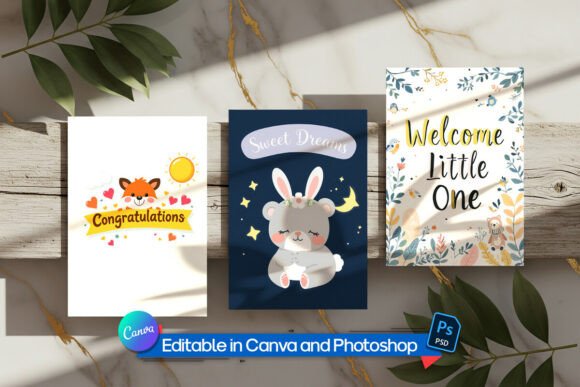
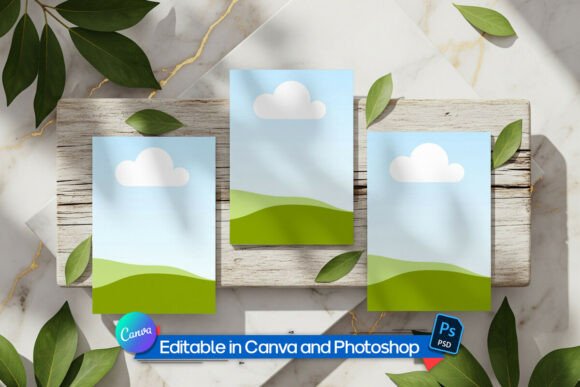
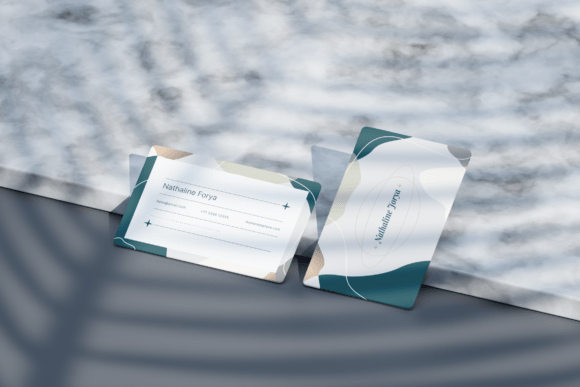
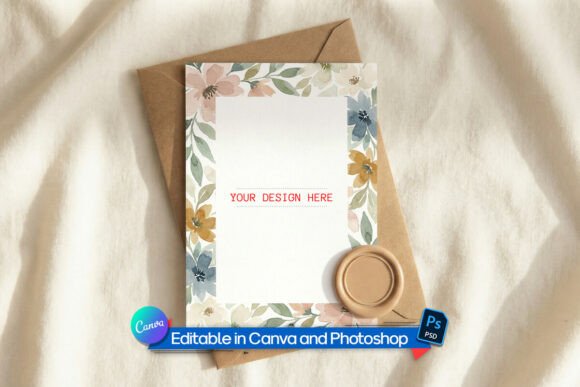
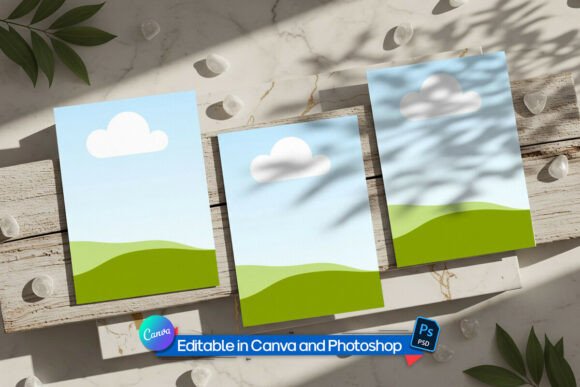
A flat lay mockup is more than just a background; it is a staging ground for your brand story. By utilizing a professional 5×7 card mockup designed with natural lighting, subtle shadows, and authentic paper textures, you provide your audience with a clear understanding of scale, finish, and quality. The specific appeal of the 5×7 inch format lies in its versatility. It is the industry standard for postcards, greeting cards, art prints, and formal invitations. When you present your designs within this familiar dimension, viewers can instantly visualize how the item would look in their hands or on their shelves.
Why Realism Matters in Digital Portfolios
The primary advantage of using a high-quality mockup over a plain digital export is the element of tactile realism. When a customer views a design on a screen, they are looking at pixels. When they view that same design applied to a textured paper surface with soft, overhead lighting, they are imagining a physical object. A well-executed Card Mockup Flat Lay incorporates environmental cues—like the slight grain of the paper or the gentle drop shadow—that signal quality and attention to detail.
This psychological shift is crucial for conversion. For small business owners and freelancers, establishing trust is paramount. A polished presentation suggests that the creator cares about every aspect of the product, from the initial sketch to the final packaging. Using a template that automatically applies perspective and lighting ensures consistency across your portfolio. Instead of spending hours photographing physical prototypes under perfect studio lights, you can achieve a similar aesthetic digitally, saving both time and resources while maintaining a professional standard.
Versatile Applications for Creators and Entrepreneurs
The utility of a 5×7 card mockup extends far beyond simple greeting cards. Its adaptability makes it a cornerstone asset for various creative industries. Consider the following ways different professionals can leverage this tool:
- Stationery Brands: Showcase full collections by arranging multiple cards in a cohesive flat lay. This allows customers to see color palettes and thematic connections between different designs.
- Wedding and Event Designers: Present invitation suites alongside complementary items like RSVP cards or menu inserts. The clean, modern aesthetic of a flat lay highlights the elegance of typography and paper choice without visual clutter.
- Digital Artists and Illustrators: Sell art prints with confidence. By placing your illustration onto a textured card mockup, you help buyers visualize the artwork as a decor piece rather than just a digital image.
- Marketing Agencies: Create compelling case studies. Display direct mail campaigns or promotional postcards in a realistic setting to demonstrate campaign effectiveness to potential clients.
- Educators and Coaches: Design printable resources, flashcards, or workbook pages. A mockup adds credibility to digital downloads, making them feel like substantial educational tools.
Streamlining Your Workflow with Smart Technology
Gone are the days when creating realistic product images required advanced photography skills or expensive equipment. Modern mockup solutions are built for efficiency, catering to users with varying levels of technical expertise. The ideal Card Mockup Flat Lay package offers flexibility through multiple file formats, ensuring that everyone from a Photoshop power user to a Canva enthusiast can produce stunning results.
For those comfortable with Adobe Photoshop, layered PSD files with Smart Object functionality are the gold standard. These files allow you to simply drag and drop your design into a designated layer. The software automatically warps the image to match the card's perspective, applies the correct lighting effects, and blends the texture of the paper with your ink. This non-destructive editing process means you can test dozens of variations in minutes without compromising the original file quality.
However, accessibility is key for many entrepreneurs who may not have access to premium software. This is why including a Canva-compatible template is a game-changer. With a ready-to-use frame, you can upload your artwork directly in your browser, position it perfectly, and download a high-resolution image ready for social media or your website. Additionally, the inclusion of a transparent PNG file with pre-rendered shadows offers another layer of convenience. This file type can be dropped into almost any design software, providing instant depth and realism without the need for complex layer masking.
Creative Strategies for Standout Presentations
While the mockup provides the foundation, your creative direction determines the final impact. To keep your results fresh and engaging, consider experimenting with composition and context. A single card centered on a white background is clean, but sometimes a narrative approach works better.
Try grouping related items to tell a story. If you are showcasing a holiday card, consider adding subtle, non-distracting props in the background of your scene—perhaps a sprig of greenery or a wax seal—to evoke a seasonal mood. Ensure these elements do not overpower the main subject; the focus must remain on your design. Consistency is also vital. If you are building a portfolio or an online store, use the same lighting angle and background tone for all your images. This creates a cohesive brand identity that looks organized and intentional.
Furthermore, think about your platform. Instagram favors square crops and vibrant contrasts, while Pinterest users often look for vertical imagery with detailed close-ups. A high-resolution mockup gives you the flexibility to crop and adapt your images for different channels without losing clarity. You can zoom in to highlight the texture of the paper for a detail shot or zoom out to show the card in a broader lifestyle context.
Maximizing Impact with Minimal Effort
The goal of using a Card Mockup Flat Lay is to elevate your work, not complicate your process. By choosing a tool that handles the heavy lifting of lighting and texturing, you free up mental energy to focus on what matters most: your design. Whether you are iterating on a new logo concept, finalizing a wedding invitation suite, or preparing a launch for your online shop, these mockups serve as a reliable partner in your creative journey.
Remember that the best presentation is one that feels authentic to your brand. Use the editable features to tweak the environment until it matches your vision. Test different backgrounds, adjust the intensity of shadows if your software allows, and always preview your designs on multiple devices to ensure they look crisp on mobile screens where most consumers browse. By combining high-quality assets with thoughtful composition, you transform simple digital files into desirable products that resonate with your audience.
Ultimately, the investment in a professional mockup pays dividends in perception. It signals to your audience that you are a serious professional who values quality. In a crowded marketplace, these details accumulate to build a reputation for excellence. So, take your latest creation, drop it into a 5×7 flat lay scene, and watch as your ideas come to life with the clarity and polish they deserve.