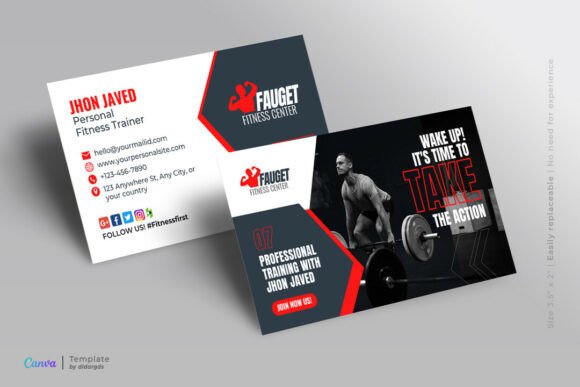
Why a Fitness Trainer Personal Visiting Card Is Your Secret Weapon for Client Growth
You have spent years perfecting your deadlift form, studying nutrition science, and learning how to motivate people when they want to quit. Yet, there is a surprising gap in the industry: many top-tier coaches still hand out crumpled napkins with a phone number scribbled in Sharpie or rely solely on an Instagram bio that gets lost in the scroll. In a world where first impressions happen in seconds, your Fitness Trainer Personal Visiting Card is often the only tangible piece of marketing you leave behind. It is not just a piece of paper; it is a physical extension of your brand and a promise of the results you deliver.
The modern fitness landscape is crowded. From boutique studio owners to online coaching freelancers, everyone is competing for attention. This is where a professionally designed card, specifically one built with tools like the Pro Fitness Business Card Design Canva Template, changes the game. It moves you from "just another trainer" to a legitimate business owner who pays attention to details. When a potential client holds a sleek, high-impact card in their hand, they subconsciously associate that quality with the quality of your training programs.
Real-World Scenarios Where Your Card Makes the Difference
Understanding where and when> to use your card is just as important as having one. Unlike digital links that require a signal or a login, a physical card works instantly in high-energy environments.
- The Gym Floor Introduction: You spot someone struggling with their squat form. You offer a quick, helpful tip. They are impressed and ask how they can work with you. Instead of telling them to "DM you," you hand them a card. It solidifies the interaction immediately.
- Community Events and Pop-ups: Whether you are hosting a weekend boot camp in the park or manning a booth at a local health fair, people are inundated with information. A visually striking card stands out in a stack of flyers.
- Networking with Allied Professionals: Physiotherapists, dietitians, and chiropractors are excellent sources of referrals. Leaving your card at their front desk ensures that when a patient needs strength training rehab, your name is the first one they see.
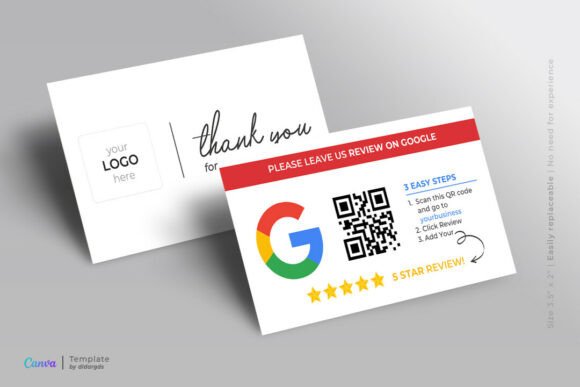
- Post-Session Handoffs: After a successful trial session, handing a client a card with your contact info and a QR code linking to your booking page serves as a professional closing to the meeting.
These scenarios highlight a crucial point: the card bridges the gap between a casual conversation and a committed business relationship. It gives the recipient something to hold onto, literally and figuratively, long after you have walked away.
Tailoring the Design to Your Specific Niche
One size does not fit all in fitness, and your card should reflect your specific methodology. The beauty of using a customizable template is that you can adapt the aesthetic to match your coaching style without needing a graphic design degree.
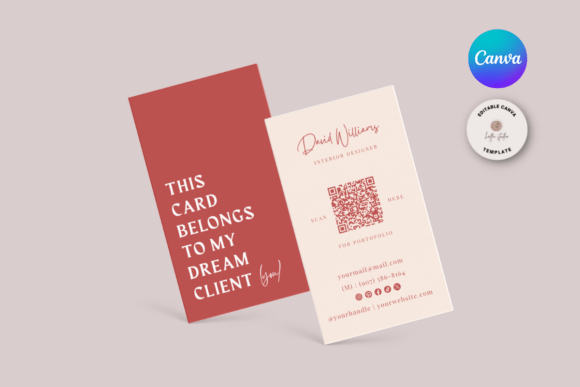
If you are a powerlifting coach or specialize in hypertrophy, your card might benefit from bold typography, dark backgrounds, and a "gritty" feel that communicates strength and intensity. Conversely, if you are a yoga instructor or Pilates specialist, you might opt for softer colors, cleaner lines, and more white space to evoke calm and balance. Even fitness influencers who primarily operate online need a physical touchpoint. For them, the card acts as a "link-in-bio" in physical form, directing followers to their latest workout guide or merchandise store via a scannable QR code.
The key is alignment. If your branding screams "high energy" but your lifestyle coaching is about mindfulness, the disconnect will confuse potential clients. A well-designed template allows you to swap colors, fonts, and images in seconds to ensure the visual language matches your verbal pitch.
Digital and Physical Versatility
We often think of business cards as strictly print materials, but in 2024, they need to be hybrid assets. A modern Fitness Trainer Personal Visiting Card serves dual purposes.
First, it is print-ready. With a standard size of 3.5 x 2 inches and high-resolution 300 DPI layout, you can take the file to any local print shop or order online, knowing the text will be crisp and the colors accurate. There is nothing worse than receiving a pixelated business card; it suggests a lack of professionalism.
Second, it is digital-ready. You can export your design as a high-quality image or PDF and use it as a media attachment in emails, a downloadable asset on your website, or even a background image for your social media stories. Some trainers even load the digital version into their Apple Wallet or Google Pay, allowing them to "tap" their phone to share their contact info during a quick encounter. This flexibility ensures you are prepared whether you are shaking hands in a gym lobby or chatting in a Facebook group.
What to Consider Before You Commit
Before you download a template and start editing, take a moment to strategize. Choosing the right design involves more than just picking a color you like.
- Clarity Over Clutter: Your card has limited real estate. Prioritize your name, title, and primary call to action (phone number, website, or QR code). Avoid cramming in too many social media handles unless they are all active and relevant to your business.
- Readability: Bold typography looks great, but ensure it is legible at a small size. If a potential client has to squint to read your email address, they probably won't bother typing it in later.
- Call to Action (CTA): What do you want them to do next? "Scan to Book a Free Consultation" is far more effective than just listing a URL. Give them a reason to engage immediately.
- Consistency: Ensure the card matches your other branding elements, such as your logo, website, and gym apparel. Consistency builds trust and makes you memorable.
It is also worth considering the tactile experience. While the design template provides the visual look, the paper stock you choose for printing adds a sensory layer. A thicker card stock feels more substantial and premium, reinforcing the idea that your services are high-value.
Making the Switch to Professional Branding
Transitioning from informal networking to professional branding doesn't have to be expensive or time-consuming. Platforms like Canva have democratized design, allowing fitness professionals to access high-impact business card templates that were once reserved for agencies with big budgets. The process is straightforward: purchase or access the template, open it in your browser or app, drag and drop your logo, update your details, and save.
By investing a small amount of time into creating a polished Fitness Trainer Personal Visiting Card, you signal to the market that you take your career seriously. You stop blending in with the crowd of hobbyists and start standing out as an authority. In an industry built on trust and transformation, the details matter. Your business card might be small, but its impact on your growth trajectory can be massive.
So, the next time you head to the gym or a networking event, make sure you aren't leaving empty-handed—or worse, leaving a bad impression. Equip yourself with a tool that works as hard as you do. Whether you are building a local empire or expanding your online coaching reach, a professional card is the foundation of a recognizable, respected brand.