Lily Flower Watercolor Sublimation Print Guide
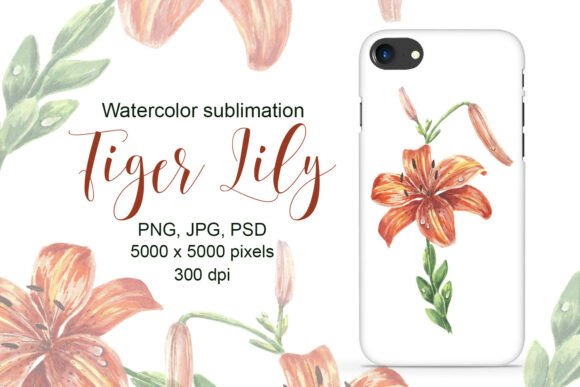
Imagine holding a design that captures the delicate, organic flow of hand-painted petals, ready to be transferred onto a physical object in seconds. This is the essence of a Lily Flower Watercolor Sublimation Print. Unlike rigid vector graphics or flat digital illustrations, these files preserve the authentic texture and color gradients of traditional art. Specifically, designs featuring the Watercolor Tiger Lily Flower Sublimation Orange bring a vibrant, warm energy to projects, mimicking the look of real flower botany lilium without the mess of actual paint and water.
When you acquire a high-resolution package like the one described—containing PNG, PSD, and JPG formats at 300 DPI—you are not just buying an image; you are acquiring a versatile asset. The file specifications matter immensely here. A resolution of 5000 x 5000 pixels ensures that whether you are printing on a small coffee mug or a large pillowcase, the edges remain crisp and the watercolor bleeding effect looks intentional and artistic, not pixelated. The transparent background is particularly crucial, allowing the orange hues of the tiger lily to blend seamlessly with whatever substrate you choose, rather than sitting inside a white square box.
Why Different Creators Value This Asset
The appeal of a Lily Flower Watercolor Sublimation Print shifts dramatically depending on who is using it. What serves as a time-saver for a busy entrepreneur might act as a learning tool for a student or a revenue stream for a freelancer. Understanding these differing priorities helps you decide if this specific digital download aligns with your current goals.
For small business owners and entrepreneurs, the primary value lies in speed and commercial viability. Running a shop that sells custom sublimation products requires a constant rotation of fresh designs. Hand-painting a tiger lily from scratch for every single t-shirt or tote bag is impossible at scale. By utilizing a pre-made, high-quality watercolor print, a business owner can instantly apply a professional-grade design to mugs, bags, or frames. The priority here is reliability; knowing that the 300 DPI file will print correctly every time reduces waste and protects profit margins. For them, the "Orange" variant of the tiger lily offers a seasonal advantage, perfect for autumn collections or summer wedding themes where warm tones are in high demand.
The Professional Designer's Perspective
Experienced designers and freelancers often approach these files with a different mindset. They are less likely to use the image "as-is" and more interested in the flexibility offered by the included PSD (Photoshop) file. A professional might take the base Watercolor Tiger Lily layers and adjust the hue to match a specific client's brand colors, or composite the lily into a larger wedding invitation suite.
To a pro, the distinction between a JPG and a PSD is vital. While the JPG is great for quick previews or simple transfers, the PSD allows for non-destructive editing. They might isolate specific petals to create a pattern or fade the opacity to serve as a subtle background texture for a business card. Their evaluation criteria focus on layer organization and color depth. If the watercolor effect looks muddy when resized, it fails their quality check. However, a true 5000-pixel source file provides the canvas they need to manipulate the art while maintaining the integrity of the hand-painted aesthetic.
Beginners and Hobbyists: Ease of Use
For beginners and hobbyists entering the world of sublimation, the learning curve can be steep. This is where the simplicity of a ready-to-use PNG file becomes a game-changer. A hobbyist making holiday cards for family or personalized notepads for friends may not have advanced skills in Adobe Photoshop. They need a file that works immediately after decompressing the Zip folder.
The practical workflow for a beginner involves downloading the folder, extracting the high-resolution PNG, and importing it into user-friendly design software. Because the background is already transparent, there is no need to learn complex masking techniques. The immediate gratification of seeing a beautiful Lily Flower Watercolor Sublimation Print appear on a blank mug after pressing it encourages continued creativity. For this group, the value is in the accessibility of professional art without the requirement of professional training.
Practical Applications Across Industries
The versatility of the tiger lily design extends far beyond simple t-shirts. Let's explore how different sectors utilize these assets based on their specific needs:
- Wedding Planners and Stationers: The botanical elegance of the lilium makes it ideal for wedding invitations and save-the-date cards. The orange variety adds a unique, non-traditional pop of color for fall weddings or bohemian themes. The high resolution ensures that fine details in the stamens and petal textures print sharply on premium cardstock.
- Educators and Bloggers: Teachers creating classroom decor or bloggers designing eBook covers can use these prints to add a touch of nature-inspired warmth. The imagery conveys growth and beauty, fitting for educational materials or lifestyle content. The ability to resize the image without losing quality means one purchase can serve multiple projects throughout a school year or content calendar.
- Interior Decor Enthusiasts: Those looking to refresh their home might use these files to create custom pillow covers or framed wall art. The watercolor style mimics expensive gallery prints, allowing individuals to curate a cohesive look for their living space at a fraction of the cost.
Technical Considerations and Limitations
While the benefits are numerous, it is essential to understand the technical boundaries of these files to avoid frustration. A critical point to note is that a Lily Flower Watercolor Sublimation Print in PNG or JPG format is a raster image, not a vector.
This is not a cutting file. It does not work with machines like Cricut or Silhouette for vinyl cutting in the traditional sense, nor is it an SVG file that can be infinitely scaled without pixelation or converted cleanly into cut paths. If your project requires weeding vinyl or precise die-cutting, this asset is not suitable. You need a computer to decompress the Zip folder and a design program capable of handling high-resolution raster images.
Furthermore, color management is key. The vibrant orange of the tiger lily on your screen may look slightly different when sublimated onto polyester fabrics or coated ceramics. Professionals always recommend running a test print to calibrate colors, ensuring the final product matches the vividness of the digital file. The 300 DPI standard is the industry benchmark for print; anything lower would result in a blurry transfer, but this specific asset meets that requirement, ensuring professional results.
Making the Right Choice for Your Project
Deciding whether to integrate this watercolor lily into your workflow comes down to matching the asset's strengths with your project's requirements. If you need a quick, high-quality visual for a sublimation transfer, a wedding invite, or a marketing graphic, this file type is excellent. It bridges the gap between handmade artistry and digital efficiency.
However, if your goal is to create a logo that needs to be blown up to the size of a billboard, or if you need a file specifically for vinyl cutting machines, you should look elsewhere. Recognizing that this is a raster-based sublimation asset helps set realistic expectations.
Ultimately, the Watercolor Tiger Lily Flower Sublimation Orange represents a fusion of nature's beauty and modern technology. Whether you are a marketer looking for eye-catching visuals, a creator building a product line, or a hobbyist crafting a heartfelt gift, the utility of this file lies in its high resolution and transparent adaptability. By understanding both its capabilities and its limitations, you can leverage this botanical art to enhance your creative output effectively.