Evaluating the Real Estate House Shape Business Card for Professional Branding
In the competitive landscape of property sales and development, first impressions are often formed before a single word is spoken. When a potential client receives a standard rectangular card, it frequently joins a stack of similar items, destined to be filed away or discarded. This is where the concept of a Real Estate House Shape Business Card enters the conversation as a strategic branding tool. Unlike traditional formats, this die-cut design utilizes the universal symbol of the industry—the home itself—to create an immediate visual association. For realtors, property dealers, and construction firms, adopting this unique shape is not merely an aesthetic choice; it is a calculated decision regarding memorability, brand alignment, and tactile engagement.
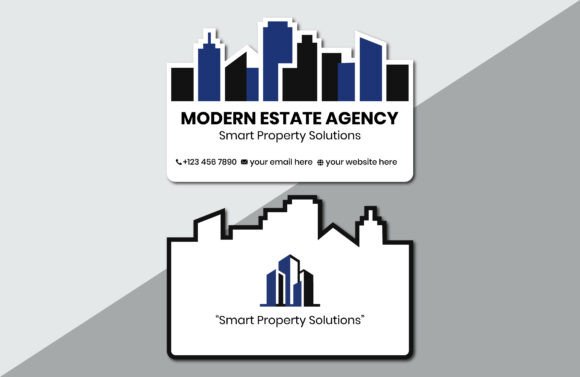
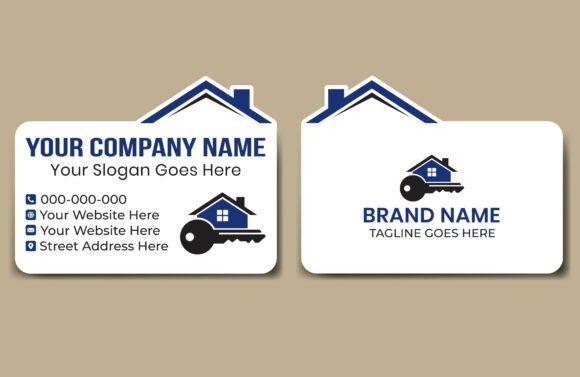
The primary distinction of a house-shaped card lies in its departure from the norm. Standard business cards adhere to strict ISO dimensions, typically 3.5 by 2 inches. While practical for wallets and cardholders, they lack distinctive character. A house-shaped template breaks these boundaries, offering a silhouette that instantly communicates the holder's profession. The design usually features a minimalist roofline and base, providing ample space for essential contact details while maintaining a clean, professional layout. This approach ensures that creativity does not compromise readability, a common pitfall in novelty card designs.
Comparing Die-Cut Shapes to Standard Formats
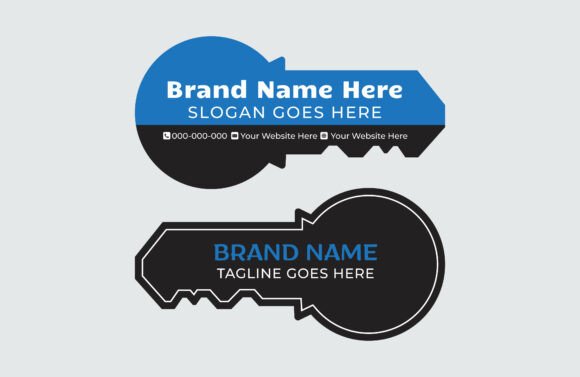
When evaluating whether to invest in a Real Estate House Shape Business Card, it is essential to weigh the benefits against standard rectangular options and other alternative shapes. The most significant advantage of the house shape is its thematic relevance. A rounded corner card or a square format might look modern, but they do not inherently suggest "real estate." The house silhouette acts as a non-verbal cue, reinforcing the agent's expertise before the recipient even reads the name.
However, there are trade-offs to consider. Standard cards are universally compatible with every business card holder, scanner, and wallet slot on the market. Die-cut shapes, including the house design, can sometimes be awkward to store if the recipient uses rigid organizational systems. Furthermore, production costs for die-cut cards are generally higher than standard straight-cut cards due to the custom cutting dies required. For a new agent operating on a tight budget, the return on investment must be carefully calculated. If the goal is high-volume networking where cards are distributed rapidly, the cost per unit might favor standard printing. Conversely, for targeted meetings with high-value clients, the premium feel and uniqueness of a house-shaped card often justify the additional expense.
Another comparison point is durability. The points and angles of a house shape can be more susceptible to wear and tear than the rounded or straight edges of a traditional card. To mitigate this, professionals often opt for thicker cardstock or protective coatings, which further influences the final cost and tactile quality. The decision ultimately rests on how the card will be used: as a mass-market flyer substitute or as a curated leave-behind item for serious prospects.
Design Flexibility and Technical Specifications
A common misconception about shaped cards is that they limit design freedom. In reality, a well-constructed Real Estate House Shape Business Card template offers extensive customization. Modern templates, particularly those available in vector formats like AI (Adobe Illustrator) or EPS, provide fully editable layers. This allows users to modify colors to match specific brand guidelines, swap out icons, and adjust typography without losing resolution.
The technical foundation of these templates is crucial for professional results. High-quality files should be provided in CMYK color mode at 300 DPI to ensure accurate color reproduction during the printing process. RGB files, often used for digital screens, can result in dull or shifted colors when printed physically. Additionally, the inclusion of a print-ready PDF alongside source files ensures that even those without advanced design software can send the file directly to a professional printer. Organized layers within the design file are another critical feature, enabling users to toggle visibility of guides, separate text from background elements, and make precise adjustments efficiently.
Minimalism tends to work best with this specific shape. Because the outline itself is a strong graphic element, overcrowding the interior with excessive text or complex patterns can detract from the impact. A clean layout that prioritizes the agent's name, title, phone number, and website URL ensures the card remains functional. The negative space created by the house shape should be utilized strategically to guide the eye toward the most important information.
Ideal Use Cases and Strategic Application
Determining when to deploy a Real Estate House Shape Business Card depends largely on the specific niche within the industry. For residential real estate agents, the fit is natural and intuitive. The shape mirrors the product they sell, creating a subconscious link between the agent and the dream of homeownership. Similarly, independent brokers who rely heavily on personal branding and referrals benefit significantly from the memorable nature of the design.
Construction companies and renovation contractors also find value in this format. Handing a house-shaped card to a homeowner discussing a remodel serves as a tangible reminder of the end goal. However, for commercial real estate specialists dealing with office leases or industrial warehouses, the residential house icon might feel less relevant. In such cases, a more abstract geometric shape or a sleek, standard card with high-end finishes like foil stamping might align better with the corporate aesthetic of their clientele.
Open houses represent another prime scenario for these cards. Guests touring a property are already in a mindset focused on the physical structure. Leaving a card that mimics the shape of the home they are viewing reinforces the connection. It transforms the card from a simple contact method into a small keepsake, increasing the likelihood that it will be retained on a refrigerator or bulletin board rather than tossed in the trash.
Limitations and Practical Considerations
While the aesthetic appeal is undeniable, prospective buyers must acknowledge the logistical limitations. As mentioned, storage compatibility is a primary concern. Some automated business card scanners struggle to read non-standard shapes, potentially hindering the digitization of contact information. Agents should be prepared to verbally reinforce their contact details or offer a digital alternative, such as a QR code integrated into the design, to bridge this gap.
Printing constraints also play a role. Not all local print shops have the capability to handle custom die-cuts efficiently. Users may need to seek specialized online printers, which can extend turnaround times. It is vital to review the "bleed" and "safety" areas in the template carefully. Because the cut line follows a specific contour, placing text too close to the edge risks it being trimmed off during production. A robust template will include clear guides to prevent this error, but the user must remain vigilant during the editing phase.
Cost scalability is another factor. Ordering a small batch of 100 custom-shaped cards might have a reasonable price per unit, but ordering 5,000 could become prohibitively expensive compared to standard runs. Professionals should analyze their annual card usage and budget before committing to a full rebrand with shaped stationery.
Making an Informed Decision
Choosing a Real Estate House Shape Business Card is a decision that balances creative expression with practical utility. It is an excellent choice for professionals seeking to differentiate themselves in a saturated market, provided they understand the associated costs and handling nuances. The unique silhouette offers a powerful branding opportunity, turning a mundane exchange of information into a memorable interaction.
For those ready to proceed, the key lies in selecting a high-quality, fully editable template that adheres to professional print standards. Ensuring the file includes vector formats like AI and EPS, along with print-ready PDFs, guarantees flexibility and precision. By carefully considering the target audience, the specific real estate niche, and the logistical realities of printing and distribution, agents can determine if this distinctive format aligns with their broader marketing strategy. Ultimately, the goal is not just to hand out a card, but to leave a lasting impression that fosters trust and recall in a competitive industry.