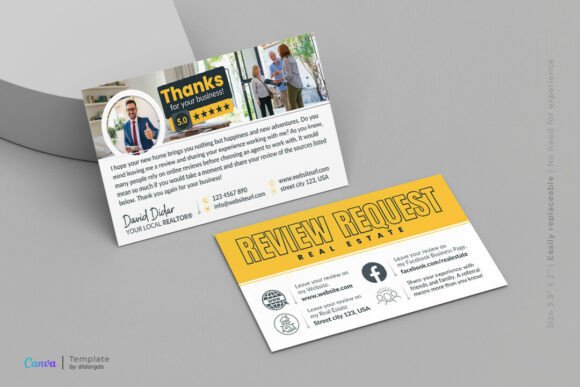
Mastering Your Reputation with a Strategic Real Estate Review Request Card Design
In the competitive landscape of property sales, your digital footprint is often the first handshake you offer a potential client. Statistics consistently show that the vast majority of buyers scrutinize online feedback before committing to an agent. Yet, many professionals leave this critical asset to chance, hoping satisfied clients will remember to post a review on their own time. This passive approach is a missed opportunity. A well-crafted Real Estate Review Request Card Design transforms that hope into a systematic process, turning happy clients into active brand ambassadors within seconds of closing a deal.
The concept is simple but powerful: provide a physical, tangible prompt that removes friction from the reviewing process. However, simply printing a card with a QR code is not enough. To truly leverage this tool, you must understand the nuances of design, usability, and psychological triggers that drive action. Many agents stumble not because the idea is flawed, but because they overlook the details that separate a card that gets tossed in the trash from one that generates five-star ratings.
Common Pitfalls in Review Card Implementation
One of the most frequent mistakes agents make is treating the review card as an afterthought. They might grab a generic template, slap on their logo, and call it a day. This approach often results in a cluttered or confusing layout that fails to guide the client. If a recipient has to squint to find the QR code or decipher small text instructions, the likelihood of them completing the task drops precipitously. The goal is a frictionless experience; any barrier, no matter how small, reduces conversion.
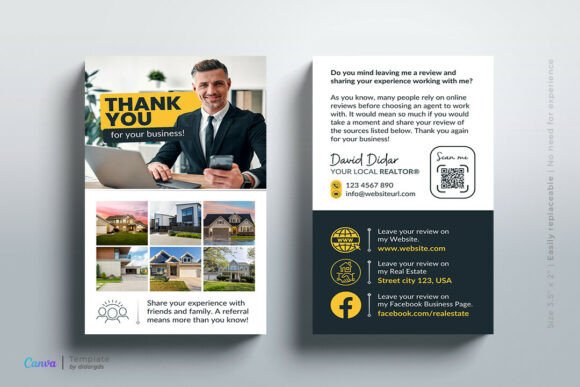
Another significant error is neglecting the dual purpose of the card. A standard business card introduces you; a review request card should do double duty. It needs to solicit a public review on platforms like Google or Zillow while simultaneously encouraging private referrals. When designs focus solely on one aspect, they miss the chance to capture warm leads who aren't ready to write a review but know someone who is buying or selling. Failing to include a clear call-to-action for referrals limits the card's return on investment.
Furthermore, many professionals ignore the importance of brand consistency. If your marketing materials are sleek and modern, but your review card looks dated or uses clashing fonts, it creates a disconnect. This inconsistency can subtly erode trust. Clients associate the quality of your materials with the quality of your service. A poorly designed card suggests a lack of attention to detail, which is hardly the impression you want to leave at the culmination of a major transaction.
Optimizing Design for Maximum Engagement
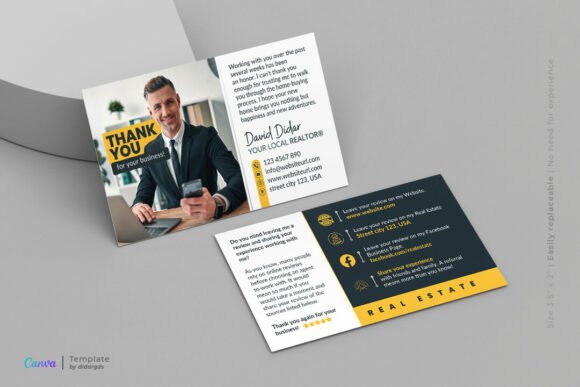
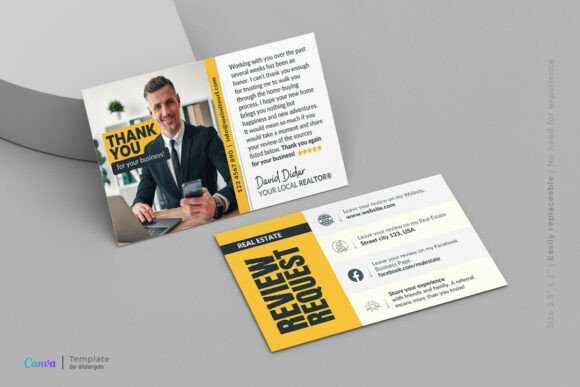
To avoid these pitfalls, start by prioritizing clarity and simplicity. The best Real Estate Review Request Card Design utilizes white space effectively, ensuring that the most important elements—the QR code and the headline—stand out immediately. Remember that most people will glance at the card for only a few seconds. Your message must be instant and compelling. Instead of a generic "Please review us," try something more personal and benefit-driven, such as "Help others find their dream home" or "Share your experience."
When selecting a template, ensure it offers full editability. Platforms like Canva have revolutionized this process, allowing you to customize colors, fonts, and imagery to match your personal brand perfectly. However, be wary of templates that look impressive but are difficult to modify. You need a system where you can swap out photos or update your contact information without breaking the layout. A rigid design that requires graphic design skills to tweak will quickly become obsolete as your branding evolves.
Consider the physical dimensions carefully. While novelty shapes might seem catchy, sticking to the industry-standard 3.5 x 2 inches is usually the wisest choice. This size fits easily into wallets, purses, and standard cardholders. If your card is too large or oddly shaped, clients may discard it simply because it doesn't fit their organizational systems. Portability ensures that the card remains accessible when the client eventually sits down to write that review or thinks of a friend who needs an agent.
Bridging the Digital and Physical Worlds
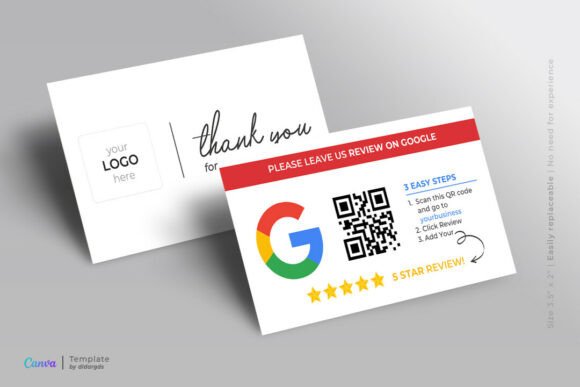
The magic of these cards lies in their ability to bridge the gap between a face-to-face interaction and the digital world. A common misunderstanding is that the QR code alone does all the work. In reality, the text surrounding the code is crucial. You must explicitly state what happens when the code is scanned. Does it take them directly to your Google Business Profile? Does it open a pre-filled form? Ambiguity kills action. Clearly label the destination: "Scan to leave a Google Review" is far more effective than just "Scan Me."
Additionally, timing is everything. Handing over the card at the closing table is traditional, but consider integrating it earlier in the journey. Giving a card after a successful home inspection or when handing over the keys can capture the emotional high point of the transaction. When emotions are positive, the willingness to help is at its peak. By providing the tool exactly when the sentiment is strongest, you significantly increase the probability of securing that valuable social proof.
- Check Link Functionality: Before printing hundreds of copies, test every QR code on multiple devices. A broken link is worse than no link at all.
- Verify Print Quality: Ensure your design file is set to the correct resolution (300 DPI) to avoid pixelated images or blurry text.
- Include Multiple Contact Methods: While the QR code is primary, always include your phone number and email for those who prefer traditional contact methods.
- Update Regularly: If you change your review platform strategy or branding, reprint your cards. Outdated information reflects poorly on your professionalism.
Making the Right Choice for Your Business
When evaluating whether to create your own design or purchase a Real Estate Review Request Card Design Canva Template, consider your time versus cost. Buying a professional template often saves hours of trial and error, providing a polished foundation that you can customize in minutes. Look for templates that offer instant access and comprehensive instructions. The ability to download a PDF link immediately after purchase allows you to get your cards printed and into your clients' hands without delay.
Ultimately, the effectiveness of your review strategy depends on execution. A great design is useless if it stays in your desk drawer. Make it a habit to carry a stack of these cards everywhere you go. Treat them as essential tools, just like your lockbox key or contract forms. By automating the request for social proof, you free yourself to focus on what you do best: serving your clients. In a world where reputation is currency, investing in a high-conversion review system is not just a smart move; it is a necessary one for long-term growth.
Take control of your narrative today. Stop leaving your reputation to chance and start building a robust network of advocates with a design that works as hard as you do. With the right approach, a simple piece of cardstock can become the engine that drives your referral business forward.